
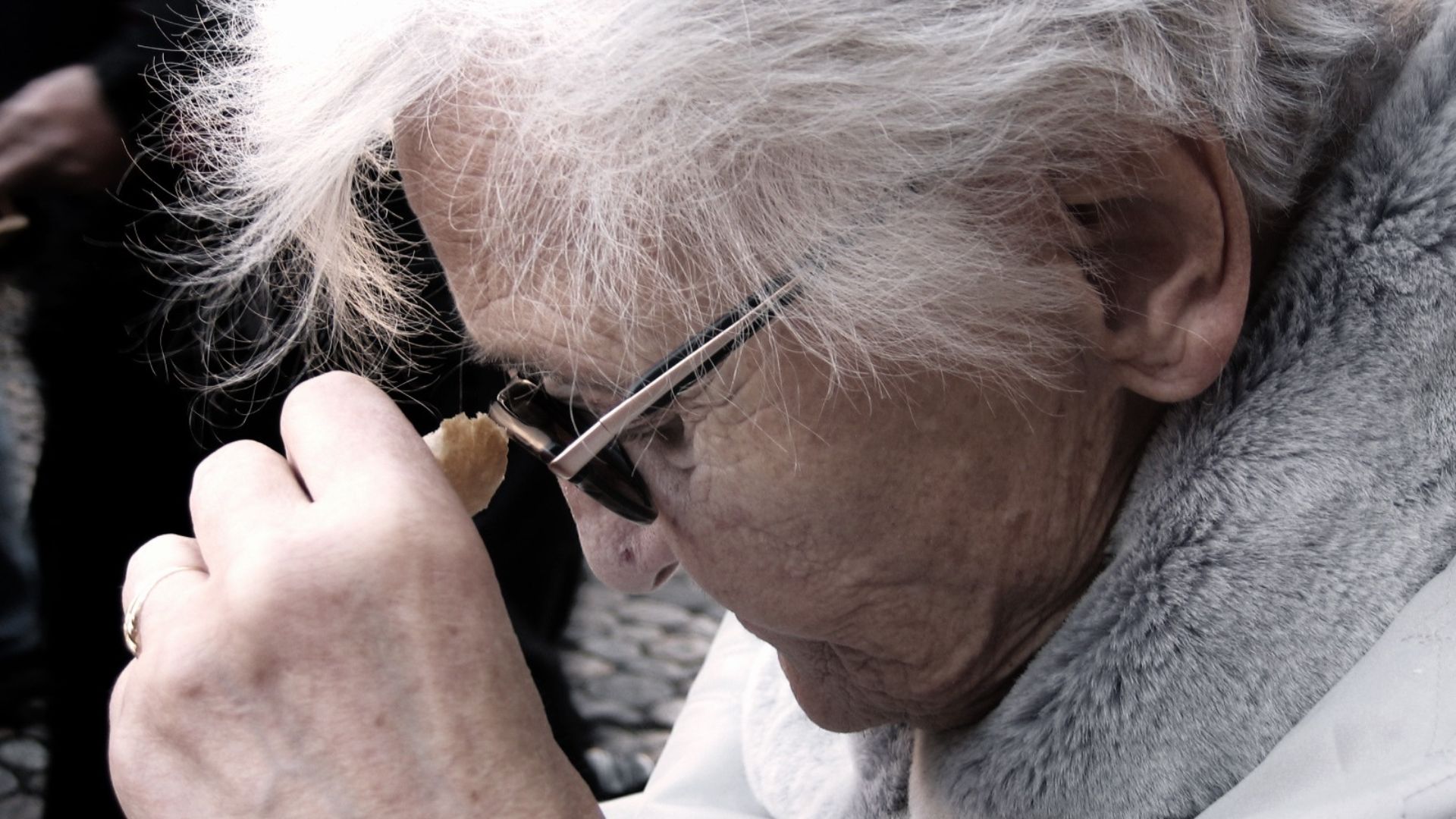
Side Roads: When Seniors Are Uprooted by a System That Doesn’t See Them
In October 2014, I got the kind of phone call that knocks the breath out of you.
My sister had received a call from the manager of our mom’s seniors lodge and informed Stacy mom had to leave. No warning. No discussion. Just…she has to go. The reason? She was showing signs of early dementia. The facility no longer considered her a suitable fit. We had a week to make it happen.
It didn’t matter that my sister and I already had a plan in place. A new supportive housing facility was set to open in town the following summer, and we were more than willing to pay for 24-hour private care until then. We were doing what families are supposed to do—finding a safe solution close to home. But the answer was still no. The system had spoken. She had to move.
I was the one who had to tell her.
She didn’t take it well. I remember her walking around the lodge that Sunday morning, telling everyone her daughters were forcing her to move.
It broke my heart.
When moving day came, my friend Chris, helped me drive her three hours to Stettler while my sister packed up her belongings. My mom was panicked for most of the ride. She didn’t know the new town. She had no friends there. The people, the routines, the walls around her, everything was unfamiliar.
She must have felt like she was being exiled. And in a way, she was.
Housing Shortages Aren’t Just Numbers
This story isn’t unique. Across Western Canada (and especially in rural areas), seniors are being moved away from everything they know because of a growing shortage in appropriate, affordable housing options.
But it isn’t just about beds. It’s about belonging.
When a senior loses a spot in their local community, whether due to medical needs, policy changes, or facility closures, they often don’t have anywhere close by to go.
When the System Misses the Human Story
The housing system for seniors, particularly in public or subsidized settings, is built around criteria: levels of care, facility classification, available staffing, liability policies, and budget lines.
All of that might make sense on paper. But it doesn’t account for the emotional and psychological toll of being uprooted late in life, especially for those with dementia, who rely heavily on routine and familiarity.
And it certainly doesn’t factor in the collateral damage that comes out of a forced move like this. Mom didn’t blame the system. She blamed us.
That’s the part people often don’t see: how the strain of institutional decisions lands on families. How it turns daughters into villains. How it breaks trust. These decisions ripple through more than one life.
She Tried to Fix It Before It Broke Her
Here’s the part that still gets me.
My mom wasn’t just another senior in the system. She was a nurse, a damn good one. And near the end of her career, she went back to university to get a degree in geriatrics.
She did it because she saw what was happening. Mom used to talk about how we treated our seniors like they were second-class citizens, how they were being sidelined in hospitals, how they were passed around from one facility to another without real say, how their comfort was often secondary to policy.
She wanted to do better by her patients. She believed elder care needed to change.
And then, in her final chapter, she was treated exactly the way she had fought against.
There’s a bitter irony in that. But more than that, there’s a warning: if it can happen to someone like her, it can happen to anyone.
The Rural Gap Is Wider Than You Think
In small towns, the situation gets even harder.
There may be one or two facilities in the region. If a senior starts needing more care, or if the facility’s mandate changes, there are no nearby options. Families scramble. Sometimes, the only choice is to move their loved one to a completely different city or region.
But distance isn’t just a practical problem.It’s an emotional one. Seniors lose their place in the world. They lose daily visits from friends. Familiar sights. Routine. The feeling of “home.”
Those with dementia are hit even harder. Research shows that sudden changes in environment can speed up cognitive decline. And yet, relocations continue to happen because in many rural communities, there simply aren’t the resources to keep people close to home.