Jack pine: A Hardy Tree of the Canadian Boreal Forest
Jack pine
Pinus banksiana
At a Glance
- Other names: Banksian pine, grey pine, scrub pine, Hudson Bay pine
- French: Pin gris
- Family: Pinaceae (pine family)
- Type: Coniferous (evergreen) tree
- Height: Typically 9 – 22 metres
- Trunk diameter: Up to 50 cm
- Lifespan: Up to 150 years
- Range in Canada: Northwest Territories east to Nova Scotia, including the Prairies and Ontario; the most widely distributed pine in Canada
- Iconic role: Defining tree of the boreal Canadian Shield
- Status: Secure
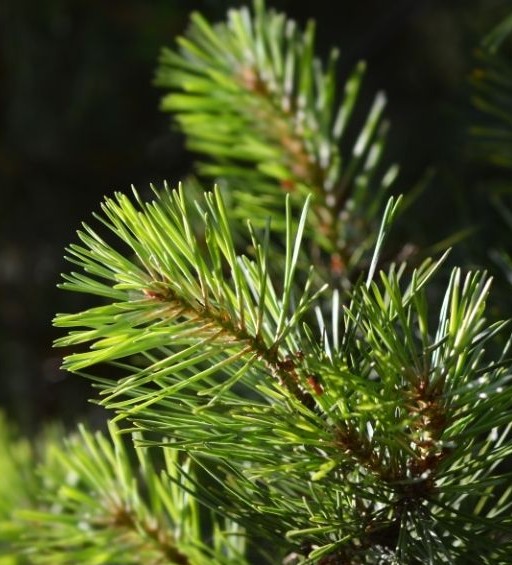
- Needles: yellowish-green, 2 – 4 cm long, in bundles of two, sharp and stiff, often spreading apart in a “V” shape
- Cones: distinctively curved, 3 – 7 cm long, sealed shut with resin and often remaining closed on the tree for years
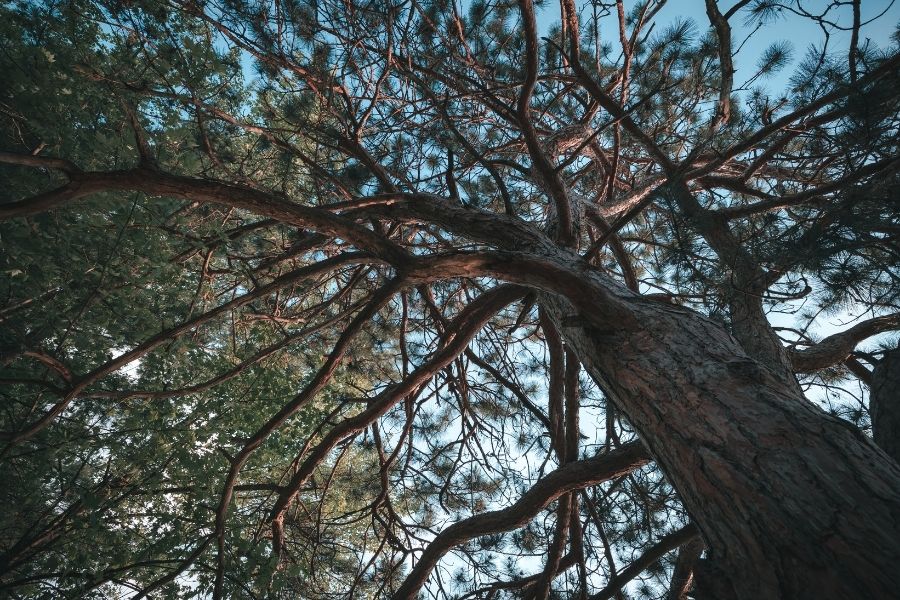
- Bark: thin and reddish-brown to grey when young; becomes dark brown, furrowed, and plated with age
- Form: often scraggly, irregular, and not particularly straight, especially on poor sites
- Lookalikes: Scots pine, a non-native commonly planted in cities; lodgepole pine, which jack pine hybridizes with in western Alberta and northeast BC
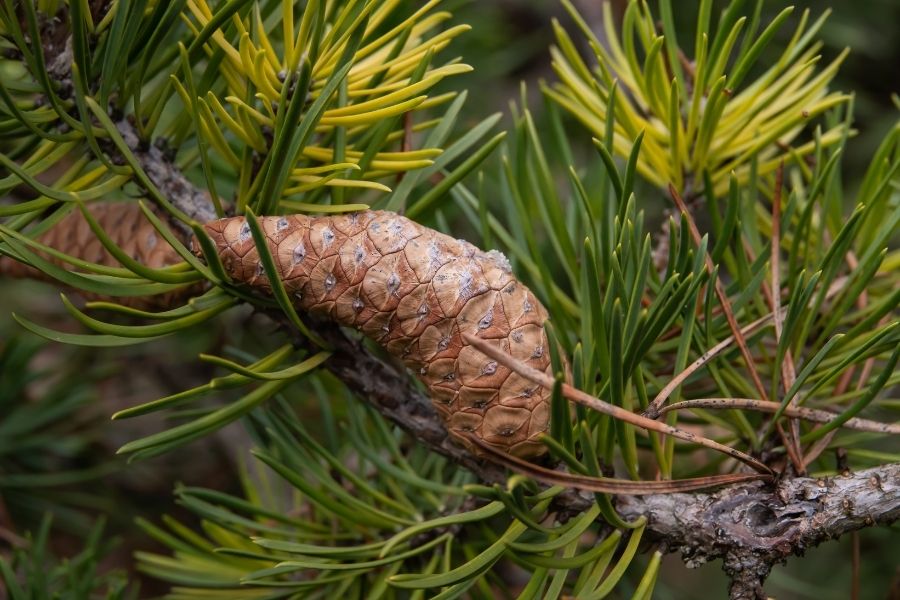
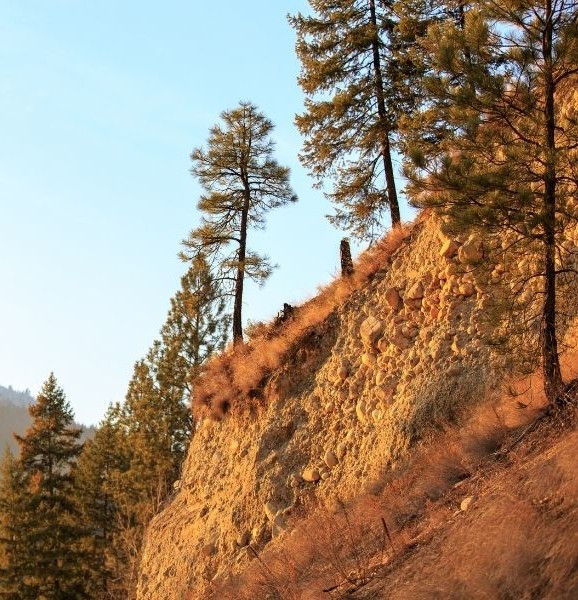
- Cones are serotinous, sealed by resin, only open when exposed to the heat of fire (or in some cases very hot summer days)
- Stand-replacing fires are part of the species’ reproductive cycle
- Pioneer species, often the first tree to colonize burned ground
- Forms even-aged stands as seedlings germinate together after a single fire
- Seeds dispersed by wind across the cleared, exposed mineral soil that fire produces
- Grows farther north than any other native pine in Canada
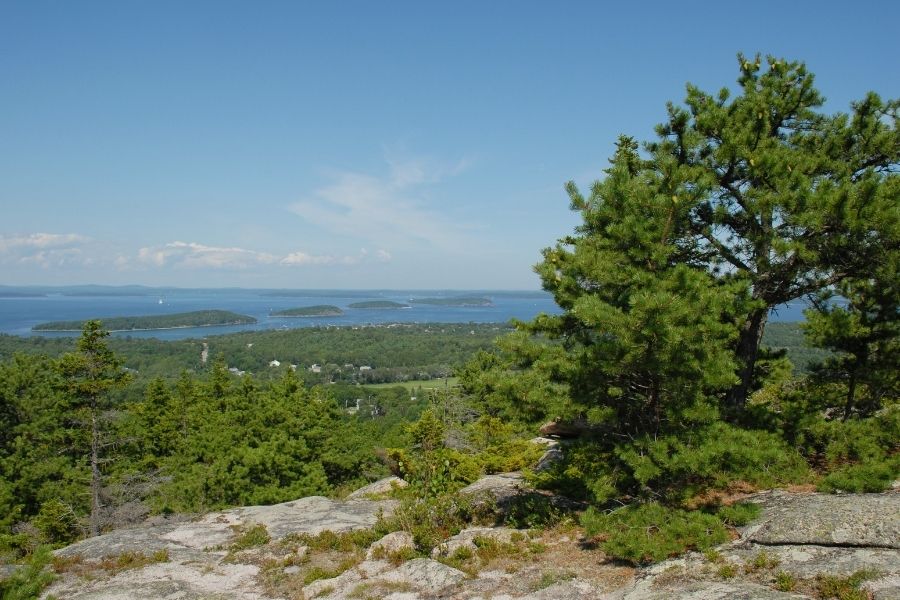
- Thrives on poor, dry, sandy, or rocky soils where other species struggle
- Often forms pure stands on the Canadian Shield’s exposed bedrock and gravel
- Tolerant of conditions ranging from boreal cold to mid-summer heat
Pocket Facts
- The jack pine grows farther north than any other native pine in Canada, surviving conditions that defeat most other trees.
- Its cones are sealed shut with resin and stay closed on the tree for ten years or more. Only the heat of a fire opens them, dropping seeds onto the cleared, mineral soil that fire produces. Fire is part of the species’ reproductive cycle, not a disaster for it.
- A single twisted jack pine on a windswept shore became one of the most recognized images in Canadian art. Tom Thomson painted it shortly before his death on Canoe Lake in 1917, and the painting now hangs in the National Gallery of Canada.
- The jack pine is the only nesting habitat for the Kirtland’s warbler, one of North America’s rarest songbirds. About 40 to 50 of these birds breed in Ontario each year, the rest in Michigan. The species was nearly lost in the twentieth century when fire suppression eliminated its breeding habitat.
- Wildfire, often viewed as a threat to forests, is what keeps jack pine forests healthy. Decades of fire suppression have actually harmed the species in many areas by preventing the regeneration the trees depend on.
- Jack pine grows tall and straight in dense stands, which is why the wood has long been used for pulp, railway ties, utility poles, and mine timbers.
Sources
- Government of Ontario. “Jack Pine.” Ontario Tree Atlas, updated January 2024.
- Government of British Columbia. “Jack Pine.” Tree Species Compendium.
- USDA Forest Service. “Jack Pine (Pinus banksiana).” Silvics of North America.
- COSEWIC. “Kirtland’s Warbler (Setophaga kirtlandii): COSEWIC Assessment and Status Report 2024.” Environment and Climate Change Canada.